Forensic Watermarking: Key Concepts Behind Digital Fingerprinting
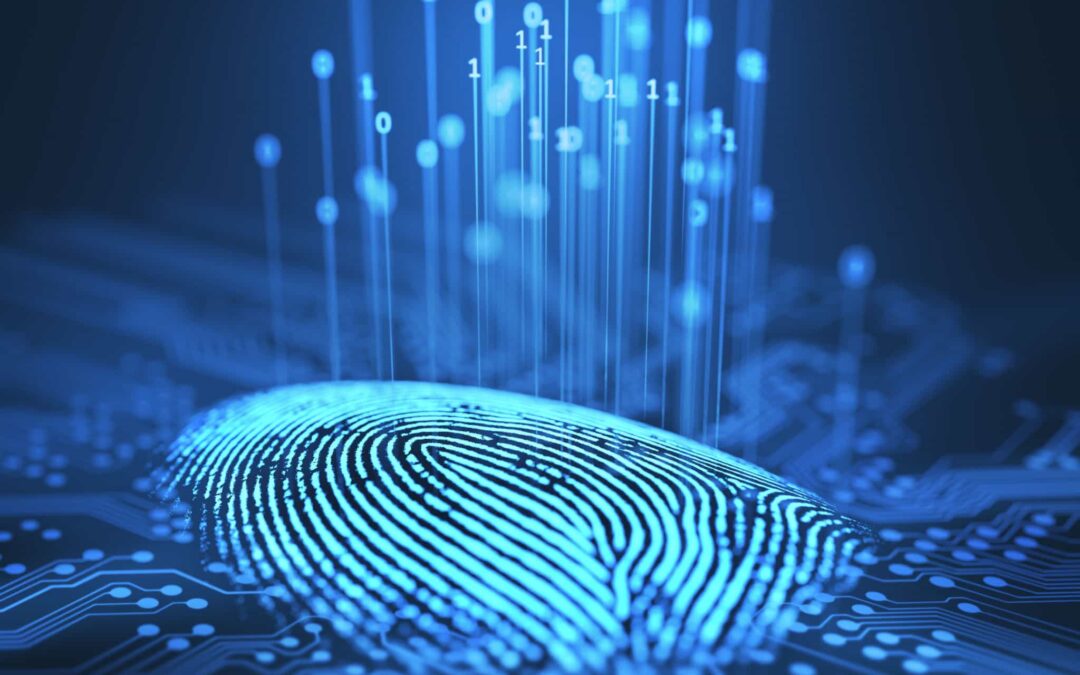
In the digital age, content leaks and unapproved dissemination present significant obstacles for producers in addition to distributors. When protected content escapes into the world, standard DRM systems can’t always identify the source, even when they block unwanted access. By inserting invisible, distinct identifiers into each distributed copy of digital content, forensic watermarking offers a potent investigation tool. These unseen fingerprints can track out the original source of leaked content along with a variety of modifications. The way the entertainment sector looks into and handles security breaches has been completely transformed by this technology. Comprehending forensic watermarking reveals intricate investigative effort occurring covertly in the stuff we regularly consume.
- What Makes Forensic Watermarking Different
Focusing on the investigation aspect, instead of the prevention of undesired access, forensic watermarking is markedly distinct from traditional DRM. Watermarking marks the one who leaked the content once he or she saw it as a legal user, and encryption will restrict access of the content to an unauthorized user. Every distributed copy has a distinct, undetectable identification that associates it with a particular user, device, or distribution session. Instead of being as distinct metadata, these watermarks are integrated directly into the media—the actual audio samples or video frames. Even if files are altered, compressed, or transformed, the watermark becomes an integral part of the information. This technology ensures responsibility through identification while acknowledging that motivated persons may circumvent any protection system. Because potential leakers are aware that their acts can be conclusively identified, there is a considerable psychological deterrent effect.
- How Invisible Identifiers Get Embedded
Through minute changes that are undetectable to the naked eye but observable through specialist analysis, the embedding process introduces distinct codes into content. Watermarks for video footage may slightly change pixel values across several frames, resulting in patterns that are present throughout the entire file. Audio watermarking alters sound waves at frequencies or amplitudes that survive format conversion and compression without becoming audible. The changes are statistically engineered to resist common manipulations such as cropping, filtering, compression, and even camera screen recording. In order to provide redundancy and ensure that at least some identifiers withstand aggressive attacks, multiple watermark layers frequently cooperate. Before content is distributed, it is embedded, and each copy is given a distinct identifying sequence. Sophisticated algorithms that strike a balance between robustness against tampering attempts and invisibility are needed for this procedure.
- Session-Based Watermarking for Streaming
Dynamic watermarking, which is used by contemporary streaming services, generates unique IDs for every viewing session in real-time. The service creates a watermark especially for your session when you watch a movie, incorporating your account details into the stream. Because of this session-based method, even the same user’s many viewings produce distinct watermarked versions every time. Viewers won’t notice any delays or quality deterioration as the system functions flawlessly during streaming. As content is transferred to your device, server-side technologies create and embed watermarks instantly, adjusting to your unique playback circumstances. When someone records their screen while streaming, watermarks that directly refer to that particular viewing session are included in the final file. The state-of-the-art in streaming platform content protection technology is represented by this real-time watermarking.
- Tracing Leaks Back to Their Source
Forensic analysis uses embedded watermarks found in pirated content to pinpoint the precise location of the leak. Suspected pirated files are scanned by specialized software, which looks for the distinctive patterns that show the presence of a watermark notwithstanding any changes. After the embedded identification codes are recovered during the extraction procedure, content providers compare them to their distribution data. This study identifies the device, screening event, user account, or distribution route that caused the breach. Legal action against people or companies in charge of unlawful distribution may be supported by the proof that watermark extraction provides. Even content that has been significantly altered or partially damaged frequently keeps enough watermark information to be successfully identified. Concrete action against leakers is made possible by this investigative capability, which changes content protection from being merely preventive to actively reacting.
- Surviving Common Anti-Watermark Attacks
Pirates actively attempt to remove or otherwise alter watermarks using numerous technical methods, but forensic watermarks are designed to resist such attacks. Common methods for avoiding detection, like compression, transcoding, cropping, and filtering, usually fail to remove correctly applied watermarks. Although using cameras to record screens results in distortion and quality loss, strong watermarks withstand this analog hole attack. Specialized collusion-resistant codes are used to thwart collusion assaults, in which pirates combine numerous watermarked copies in an attempt to erase identifiers. Before being used in commercial settings, every watermarking technology is thoroughly tested against known attack techniques. Watermark robustness is always being improved due to the arms race between watermark developers and pirates. Potential leakers are strongly deterred by the knowledge that watermarks withstand common attacks.
- Applications Beyond Entertainment Industry
Forensic watermarking safeguards valuable content in a variety of sectors and applications, although entertainment gets the most attention. To track down illegal disclosures and information leaks, government organizations watermark protected conversations and confidential documents. Businesses use text and image watermarking technologies to safeguard strategic planning, product designs, and private corporate papers. Watermarks are included into medical imaging systems to guarantee patient data integrity and track any unapproved dissemination of private health information. Exam materials and confidential research data are shielded from illegal duplication and dissemination by educational establishments. To detect leaks to rival publications, news organizations watermark exclusive video and investigative information. Any valuable digital content benefits from this investigative protection layer, as seen by the technology’s adaptability.
- Legal Implications and Evidence Standards
In court cases involving copyright infringement and trade secret theft, watermark evidence is becoming more and more significant. When forensic watermarking is correctly applied and documented by trained professionals, courts accept it as scientifically legitimate evidence. Legal requirements for digital evidence must be met by the technical aspects of watermark extraction and analysis, including appropriate chain of custody documentation. Defense lawyers occasionally contest watermark evidence, raising concerns about the extraction process, implementation quality, and potential for false positives. To support possible legal action, content providers must keep thorough records of watermark assignment, distribution logs, and technical specifications. In trials that depend on this evidence, expert testimony elucidating watermarking technology to juries and judges becomes essential. As technology develops and more cases set precedents, the legal landscape surrounding watermark evidence keeps changing.
Conclusion
A complex investigative method of content protection, forensic watermarking adds accountability and traceability to conventional DRM solutions. doverunner makes it possible to definitively identify leak origins across industries by integrating invisible, unique identifiers that withstand manipulation attempts. The technology strikes a balance between strong security and privacy concerns, from real-time streaming watermarks to legal evidentiary standards. Forensic watermarking offers crucial investigative capabilities for the contemporary content ecosystem as the value of digital content continues to rise.