
The Art of the Deal: Strategies for Negotiating Rent on a Furnished Apartment
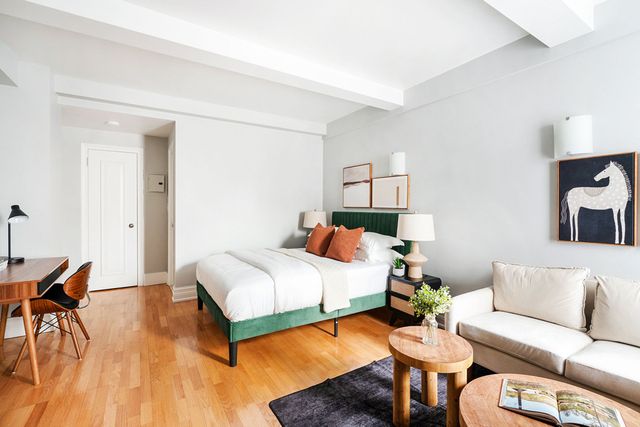
Securing a Houston Broadstone Toscano furnished apartment offers a unique level of convenience, especially for those moving to a new city, students, or professionals on short-term assignments. However, that convenience typically comes with a premium price tag. Landlords often justify higher rents for furnished units by citing the depreciation of furniture, the initial investment in decor, and the increased risk of damage. While these costs are real, many renters mistakenly believe that the price listed on a rental portal is set in stone. In reality, furnished rentals often sit vacant longer than unfurnished ones because the pool of interested tenants is smaller. This vacancy is your greatest leverage. By approaching the negotiation with a clear strategy and a professional demeanor, you can often secure a much better deal than the one initially advertised.
Leverage the Length of Your Lease
The most powerful tool in any rental negotiation is the length of your commitment. Landlords of furnished apartments often deal with high turnover, which means they spend significant time and money on cleaning, marketing, and screening new tenants. If you are willing to sign a lease for twelve months or longer, you represent a rare level of stability for a furnished unit. A landlord is often willing to take a monthly cut in rent if it means they can avoid two or three months of vacancy throughout the year.
When you begin the conversation, emphasize your desire for a long-term stay. You can explicitly calculate the savings for the landlord, pointing out that a five percent rent reduction over a year is far less expensive for them than a single month where the unit sits empty. If you cannot commit to a long lease, offering to pay a few months of rent upfront can also serve as a strong incentive for a landlord to lower the monthly rate, as it immediately improves their cash flow and reduces their financial risk.
Research the Local Market and Vacancy Rates
You cannot negotiate effectively without a baseline understanding of the local market. Before meeting with a landlord or property manager, browse several rental websites to see what similar furnished units in the same neighborhood are going for. If you find multiple listings that have been active for more than thirty days, it is a clear sign that the market is currently favoring the renter.
During the negotiation, you can casually mention that you have seen several comparable units at a lower price point. You do not need to be confrontational; simply state that while you prefer their specific apartment, your budget is more in line with the other available options in the area. Most landlords would rather negotiate with a qualified, interested applicant than wait another month for a “perfect” tenant who may never arrive at the full asking price.
Highlight Your Strength as a Low-Risk Tenant
Landlords are often more concerned with the quality of a tenant than the exact dollar amount of the rent. A tenant, who pays late, causes noise complaints, or damages the furniture is a nightmare that most property owners want to avoid at all costs. You can use your personal history to “sell” yourself as the ideal occupant. Bring a folder containing your credit report, proof of stable income, and glowing references from previous landlords.
In the context of a furnished apartment, the condition of the furniture is a major point of anxiety for the owner. You can mitigate this by offering a slightly higher security deposit in exchange for a lower monthly rent. This demonstrates that you are confident in your ability to maintain the property. When a landlord feels that their investment is safe in your hands, they are much more likely to be flexible on the price to ensure they do not lose you to another building.
Conclusion
Negotiating rent on a furnished apartment is a professional transaction that requires preparation, market knowledge, and clear communication. By understanding the landlord’s primary concerns—vacancy, risk, and maintenance—you can frame your request in a way that provides value to them while saving money for yourself. Remember that the goal is a win-win scenario where you receive a fair price for a convenient home, and the landlord receives the peace of mind that comes with a reliable, long-term tenant. Never be afraid to walk away if the numbers do not work for your budget, but more often than not, a respectful and well-reasoned proposal will result in a monthly saving that makes the luxury of a furnished lifestyle much more affordable.


