
Understanding crop insurance in the United States and Finding Experienced Agents
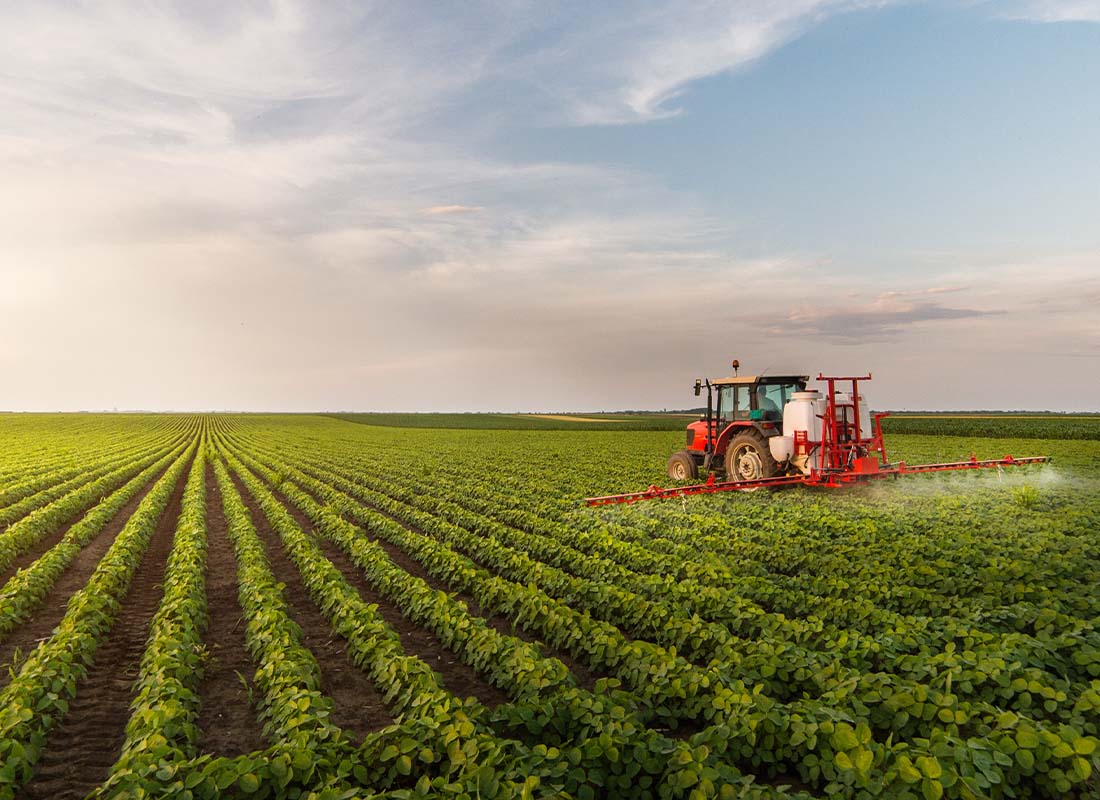
Agriculture is a profession defined by variables. From the unpredictable nature of seasonal weather patterns to the fluctuation of global market prices, those who cultivate the land face risks that are often entirely beyond their control. For many producers, PRF crop insurance serves as a vital component of a comprehensive risk management strategy. It offers a way to navigate the uncertainty inherent in the industry, providing a foundation of stability that allows for long-term planning despite the potential for sudden, unforeseen setbacks.
Challenges in Navigating Risk Management
The complexity of modern agricultural protection is a primary hurdle for many farmers. It is rarely as simple as signing a document and receiving a guarantee; rather, it involves a sophisticated evaluation of coverage levels, unit structures, and how specific policies interact with the realities of an individual operation.
Misunderstandings frequently arise regarding how policies respond to localized perils, such as excess moisture, drought, or unexpected frost. When a producer lacks a clear understanding of the triggers for an indemnity, the result is often disappointment during a difficult season. The challenge lies in translating general protective goals into specific, actionable coverage choices that match the geography, soil quality, and historical yields of the land being farmed.
How the Protective Process Generally Works
The fundamental purpose of crop insurance is to replace a portion of lost income following an event that reduces yield or significantly impacts the harvest. Most programs are designed as a partnership, providing a framework that enables producers to hedge against the volatility of the natural world.
The process typically begins with an assessment of the operation. A producer works with a qualified agent to review land productivity records, historical average yields, and specific risk factors associated with their unique environment. This information allows for the selection of a policy type that aligns with the producer’s tolerance for risk and their financial objectives.
Throughout the growing season, monitoring is key. While the coverage acts as a safety net, it is most effective when combined with diligent management. In the event of a significant loss, the documentation process—which involves reporting the loss to a provider and allowing for an assessment of the damaged crop—is essential. This methodical approach ensures that the coverage performs exactly as intended, providing the necessary support when the unexpected occurs.
Key Factors That Shape Your Coverage Outcomes
Several variables influence the effectiveness of a policy. Understanding these is essential for any producer seeking to build a robust safety net.
One of the most important considerations is the distinction between individual coverage and regional performance coverage. Some policies are tailored to the specific yields of a single farm, while others are structured around broader performance metrics in a county or region. Each approach has inherent trade-offs regarding how quickly an indemnity is triggered and the consistency of the support provided.
Another critical factor is the choice of coverage level. A higher percentage of coverage provides more comprehensive protection but typically comes with higher premium costs. Producers must evaluate their cash flow requirements and determine the balance between the cost of the insurance and the depth of protection they need to remain viable through a low-yield year. Additionally, how land is partitioned—known as unit structure—can significantly impact the ability to claim losses in specific portions of an operation that may have been affected by weather while other areas remained productive.
Practical Approaches to Selecting the Right Partnership
Finding top crop insurance agents is arguably as important as selecting the right policy. Because agricultural protection is highly specialized, the guidance of an expert who understands the nuances of local growing conditions and the intricacies of government-backed programs is invaluable.
When evaluating potential agents, prioritize those who take a collaborative approach. A strong partner will not simply provide a list of prices; they will sit down to analyze your operation’s specific risk profile. Ask potential agents how they approach the annual renewal process and what kind of support they provide when a claim needs to be filed. Transparency is essential; you should feel that the agent is explaining the mechanisms behind the coverage rather than just selling a product.
Furthermore, consider the agent’s focus on long-term stability. The most effective agents act as consultants, suggesting strategies that evolve alongside the operation. They should be able to explain how changing your crop rotation or adjusting your planting practices might influence your insurability or the efficiency of your policy.
Consistency in communication is also a sign of a high-quality partner. A professional agent will proactively reach out during major decision points in the calendar, such as sales closing dates or planting deadlines, to ensure that all necessary information is accurate and submitted on time.
Taking a sensible next step involves a thorough review of your current risk exposure. Before the next season approaches, consider gathering your production history and identifying the areas of your operation where a localized weather event would create the most significant financial strain. Use this data as the foundation for a conversation with a qualified professional. By focusing on deep understanding and careful planning, producers can build a shield of protection that allows them to focus on the work of growing, confident that the foundation of their business remains secure regardless of what the weather brings.


